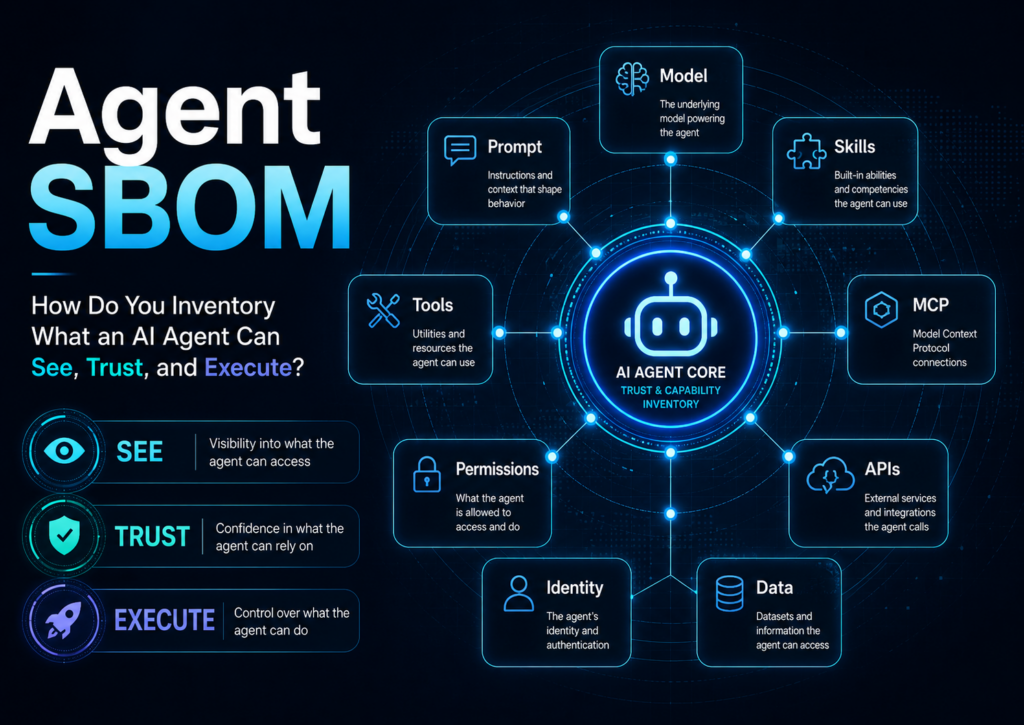
As the deployment of AI and large language models (LLMs) scales across industries, concerns about context leakage, model misuse, and unauthorized integrations are becoming critical. One of the emerging frameworks designed to address these issues is the Model Context Protocol (MCP).
In this post, we break down what MCP is, why it’s important, and how it aligns with secure AI integration and governance—especially in enterprise and regulated environments.
What is Model Context Protocol (MCP)?
Model Context Protocol (MCP) is a proposed framework designed to control, secure, and standardize the way applications interact with AI models—particularly large language models. It defines how context, permissions, identity, and boundaries are managed between applications and the models they invoke.
Think of MCP as a “Zero Trust model for AI”—ensuring every request to an AI model is explicitly governed, auditable, and safe.

Why Do We Need MCP?
As LLMs like ChatGPT, Claude, and open-source models like LLaMA become more integrated into enterprise workflows, problems start to arise:
- Data leakage: Models can unintentionally store or regurgitate sensitive information.
- Unauthorized access: Any app or user could theoretically inject prompts and manipulate output.
- Lack of provenance: It’s hard to trace who accessed the model and why.
MCP aims to provide granular access control, context tagging, auditability, and model boundary enforcement.
Core Components of MCP
Here’s how MCP works conceptually:
1. Context Declaration
Every request to a model is accompanied by a context declaration:
- What is the purpose of the request?
- What entity or app is making it?
- Is this a trusted context?
This prevents prompt injection and unverified access.
2. Identity and Permissions
MCP enforces identity-aware access:
- Only approved users/apps can send prompts.
- Access is based on roles, scopes, and policies—like OAuth for LLMs.
3. Model Boundary Enforcement
MCP separates concerns across:
- System prompts
- User input
- Tool use
- Output handling
This segmentation prevents malicious payloads or accidental misuse.
4. Audit Logging
Each model call is logged:
- Who accessed it?
- What context was used?
- What was the response?
This is vital for compliance and forensic analysis, especially in finance, healthcare, and defense.
Use Cases Where MCP Matters
- Enterprise AI platforms: Secure multi-user environments for internal tools using LLMs.
- Regulated industries: Banking, pharma, and government systems where data context and usage must be tightly controlled.
- SaaS integration: AI features embedded in apps where one user’s action shouldn’t influence another’s results.
- ML Ops and DevSecOps: Enforcing boundaries during model testing, finetuning, or deployment.
MCP and Zero Trust for AI
MCP is deeply aligned with Zero Trust Architecture:
“Never trust, always verify” applies just as much to model prompts as it does to user logins.
With MCP:
- Every model invocation is treated as a security-sensitive operation.
- No implicit trust exists between apps and models.
- Guardrails are enforced at runtime.
Implementing MCP: Is It Available?
As of now, MCP is a conceptual and evolving standard. Companies like OpenAI, Anthropic, and Cohere are working on internal and external guardrails, and some elements of MCP are being discussed in communities focused on:
- AI Alignment & Safety
- LLMOps platforms
- Cloud AI governance
We may soon see:
- Open-source libraries to implement MCP patterns
- AI firewalls and policy engines integrating MCP hooks
- MCP incorporated into AI model marketplaces and enterprise AI gateways
Final Thoughts
MCP isn’t just another protocol—it’s a security mindset for interacting with intelligent systems. As AI continues to expand into mission-critical and sensitive areas, protocols like MCP will become foundational to trust and safety.
Whether you’re a developer, security architect, or enterprise leader, now’s the time to:
- Understand MCP principles
- Embed context-aware security into your AI integrations
- Track developments in model governance standards
Stay ahead of the curve with secure AI practices. For more insights, visit SecureBytesBlog.com.
Let us know in the comments if you’d like a follow-up post on how to implement MCP-inspired guardrails in your own AI applications.